
- Fast Shipping
- FFL Transfers
- No CC Fees
- 4.9 Google Rating
- (313)779-3877
- St. Clair Shores, Mi
Responsible firearm ownership includes more than learning how a firearm operates. Understanding its maintenance requirements, recognizing signs of wear, and following the manufacturer's care instructions can help you look after your equipment responsibly.
If you are new to firearm ownership, cleaning and maintenance may seem intimidating. Different firearm designs have different components, recommended cleaning products, and maintenance schedules. Fortunately, you can build a responsible maintenance routine by starting with the manufacturer's instructions and learning what your particular model requires.
In this guide, we cover general firearm care, essential safety considerations, common maintenance mistakes, and situations where professional service may be appropriate.
Firearms contain moving components and surfaces that can accumulate residue, moisture, dust, and other contaminants. Over time, neglect or improper care may contribute to corrosion, excessive wear, or mechanical problems.
Routine maintenance helps owners monitor the condition of their equipment and identify concerns before they become more serious. However, cleaning alone cannot guarantee reliability or make a damaged firearm safe to use.
There is no single cleaning procedure that applies to every firearm. A semi-automatic handgun, a revolver, a rifle, and a shotgun may have different mechanisms and manufacturer-specific requirements.
Before beginning any maintenance, locate the owner's manual for your exact model. If the manual is missing, consult the manufacturer's official website or contact its customer service department.
Pay particular attention to:
If you cannot identify a component, are unsure how to proceed, or encounter resistance during maintenance, stop rather than forcing anything. A qualified gunsmith or the manufacturer can help clarify the correct procedure.
The supplies you need depend on your firearm's design, materials, and manufacturer's recommendations. Many owners keep a dedicated cleaning kit that is appropriate for their equipment.
A few of the cleaning kits, mats and lubricants currently available. Click any item to see full details and pricing.
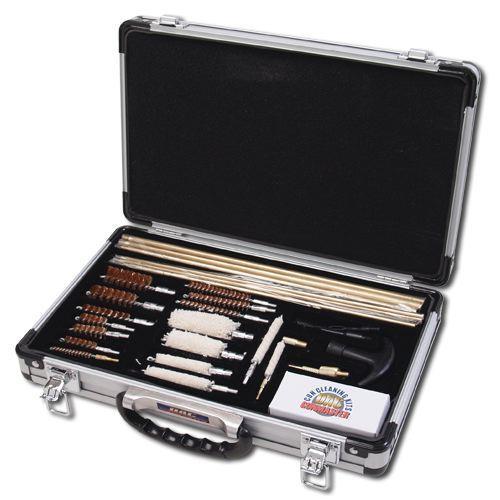
Universal 35-piece kit with rods, brushes, jags and patches for rifles, shotguns and handguns.
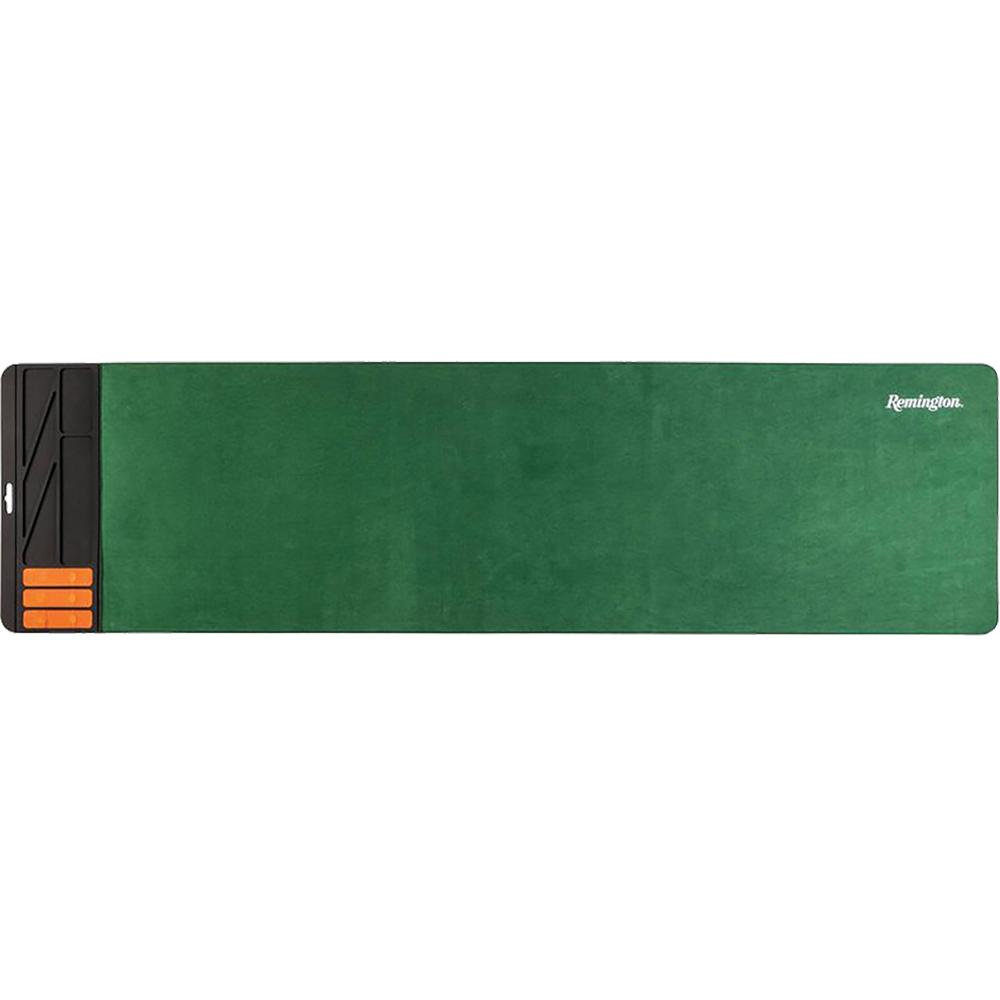
Oversized 50-inch mat that protects your work surface and keeps small parts in one place.
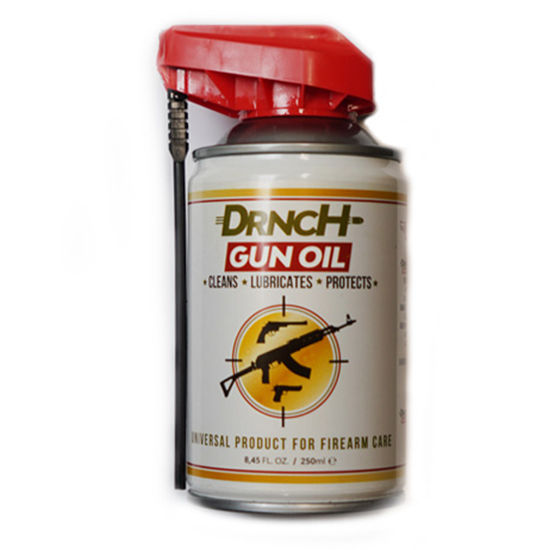
8-ounce bottle of gun oil for lubrication and corrosion protection. Apply only where your manual directs.
The following is a general framework for organizing firearm care, not a substitute for the specific cleaning procedure in your owner's manual. The exact steps, tools, and maintenance intervals vary by model.
Choose a stable, well-lit, ventilated area away from distractions. Keep ammunition in a separate location and organize your supplies before beginning. Ensure children and other unauthorized people cannot access the work area.
Follow the unloading procedure in the owner's manual for your exact firearm. Verify its condition as directed by the manufacturer before proceeding. If you are uncertain whether it is unloaded, stop and seek help from a qualified professional.
Use only the recommended tools and products, and clean only the components covered by the owner's manual and your level of training. Do not improvise a disassembly procedure or force a component that does not move as expected.
During routine care, pay attention to visible corrosion, cracks, deformation, loose components, or anything that appears different from the condition described in the manual. Do not attempt to repair safety-critical parts without the proper qualifications.
Different firearms require different lubrication points and amounts. Too much lubricant can attract contaminants or interfere with operation in some designs. Follow the manufacturer's recommendations rather than applying lubricant indiscriminately.
Follow the manual's instructions for checking the firearm after maintenance. If a component does not fit correctly, a part appears damaged, or you are unsure whether the firearm has been reassembled correctly, do not use it. Have it inspected by a qualified gunsmith or the manufacturer.
Clean up the work area, dispose of used materials appropriately, and store chemicals and tools according to their labels. Return the firearm to secure storage in accordance with the manufacturer's guidance and applicable laws.
Secure storage options currently available for keeping firearms out of unauthorized hands. Click any item for full details.
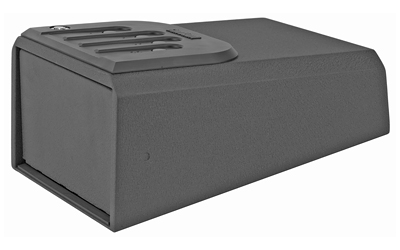
Quick-access handgun safe with keypad entry for secure storage at home.
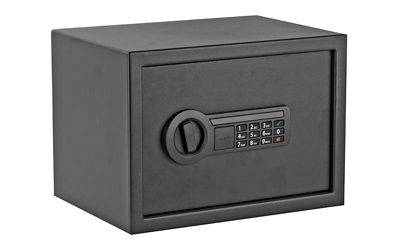
Compact personal safe with an electronic keypad lock.
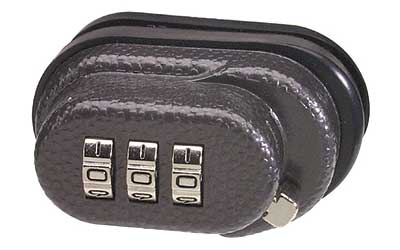
Combination trigger lock that adds a layer of security during storage.
There is no universal cleaning schedule for every firearm. The appropriate interval depends on the manufacturer's guidance, how the firearm is used, its condition, the environment, and other factors.
A firearm exposed to moisture, dust, or other harsh conditions may require attention different from one kept in a clean, controlled environment. Always follow the model-specific instructions and any maintenance requirements associated with its use.
Avoid assuming that a firearm is in good condition simply because it has not been used recently. Storage conditions and visible signs of deterioration still matter.
Routine owner maintenance is not the same as repairing or modifying a firearm. Some concerns require specialized tools, technical knowledge, or professional inspection.
Seek qualified assistance if you notice:
Do not fire a firearm that may be damaged or unsafe. Keep it out of use and consult the manufacturer or a qualified gunsmith about the appropriate next steps.
Not necessarily. Some tools may be suitable for multiple firearms, but compatibility depends on the model, caliber, materials, and manufacturer's requirements. Check the tool and product specifications before use.
The permitted maintenance procedure depends on the firearm. Follow the owner's manual and do not disassemble or clean components in a way that the manufacturer does not recommend.
Do not ignore it. The significance depends on its location and severity. Avoid aggressive attempts to remove corrosion from critical components and consult the manufacturer or a qualified gunsmith if you are unsure whether the firearm is safe.
Yes, appropriate care remains important. Storage conditions, moisture, and other environmental factors can affect a firearm even when it is not regularly used. Follow the manufacturer's recommendations for inspection and care.
Owners should distinguish routine maintenance from repairs. If a concern involves safety-critical components, requires unfamiliar disassembly, or falls outside the manufacturer's owner-maintenance instructions, seek help from a qualified gunsmith or the manufacturer.
Learning how to maintain your firearm is an important part of responsible ownership. By understanding your model, following the manufacturer's instructions, using compatible products, and recognizing when professional service is needed, you can make informed decisions about caring for your equipment.
Remember that maintenance is only one part of firearm safety. Safe handling, appropriate training, secure storage, and compliance with applicable laws remain essential.
The ICB Firearms team can help you explore available firearm-care products and find information about the equipment you need. For model-specific maintenance questions or suspected mechanical issues, consult the manufacturer or a qualified gunsmith.
VISIT ICB FIREARMSEducational disclaimer: This article provides general information and is not a substitute for the owner's manual, hands-on training, professional service, or legal advice. Firearm designs and maintenance requirements vary. Always follow the manufacturer's instructions and applicable laws.



Added to cart
Check out our shop to see what's available
Loading coupons...