
- Fast Shipping
- FFL Transfers
- No CC Fees
- 4.9 Google Rating
- (313)779-3877
- St. Clair Shores, Mi

Firearm optics come in different designs, and choosing between them can be confusing if you are unfamiliar with the terminology. Red dot sights and magnified scopes are two common categories, but they serve different purposes and have different characteristics.
The right comparison depends on the firearm, lawful intended use, user's needs, and optic specifications. This guide explains common terms and practical considerations without treating one sighting system as universally best.
A red dot sight is a non-magnifying optic that projects an illuminated aiming reference into the viewing window. Some models use a red aiming point, while others offer different reticle colors or shapes.
Red dot sights vary in size, mounting system, battery arrangement, brightness controls, and durability specifications. Confirm that the model is designed for your firearm and mounting interface.
Consider compatibility, viewing-window size, reticle and brightness settings, battery type, durability, warranty, and service support.
A few of the red dot sights currently available. Click any model for full specifications and pricing.
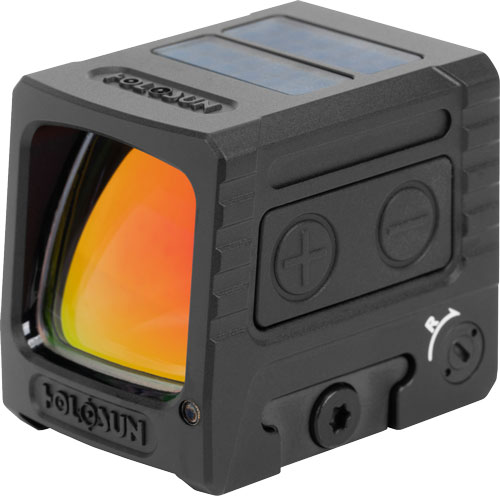
Enclosed-emitter red dot sight with a 509 footprint and tall mount.
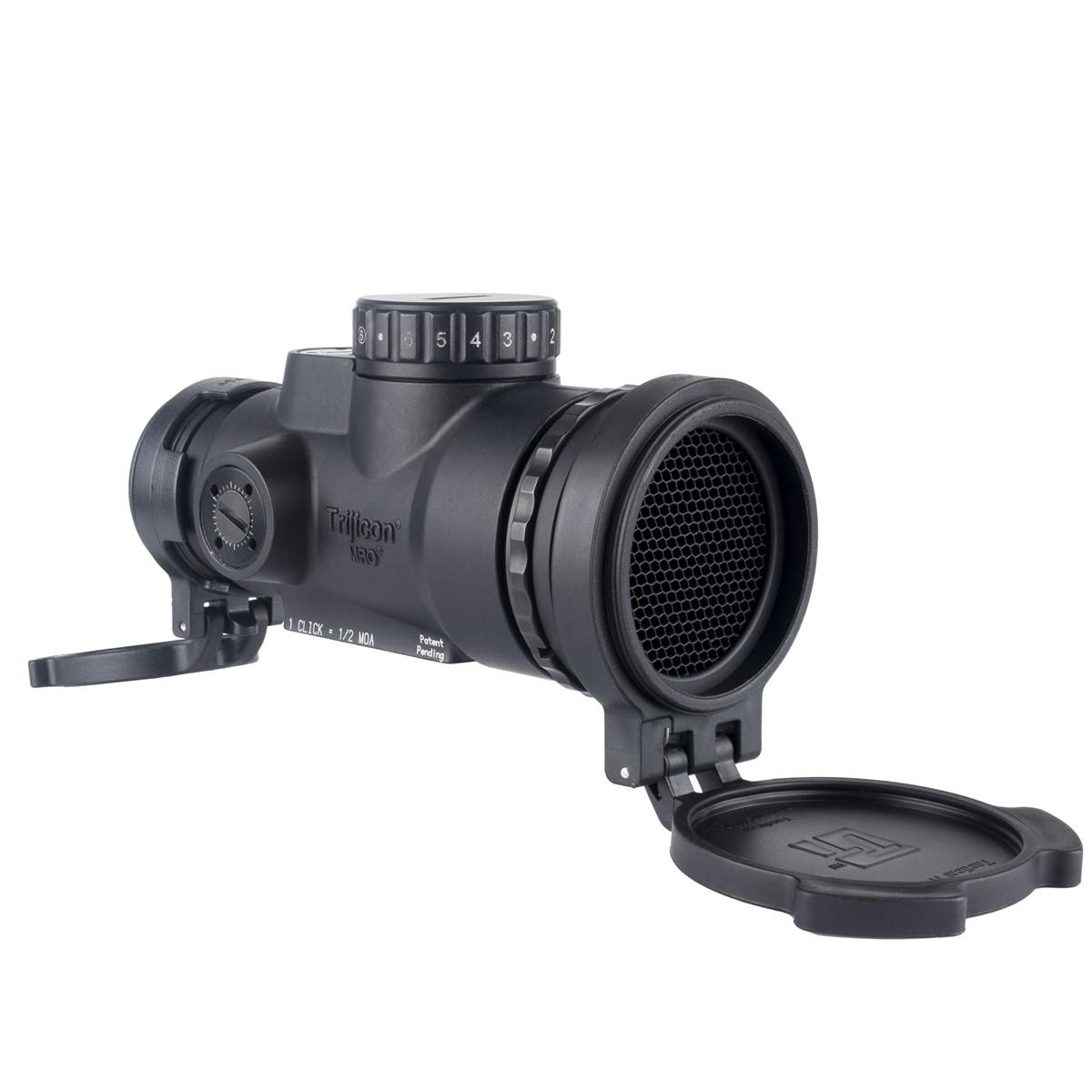
Trijicon MRO HD with a 68 MOA ring and 2 MOA dot, adjustable LED, patrol mount.
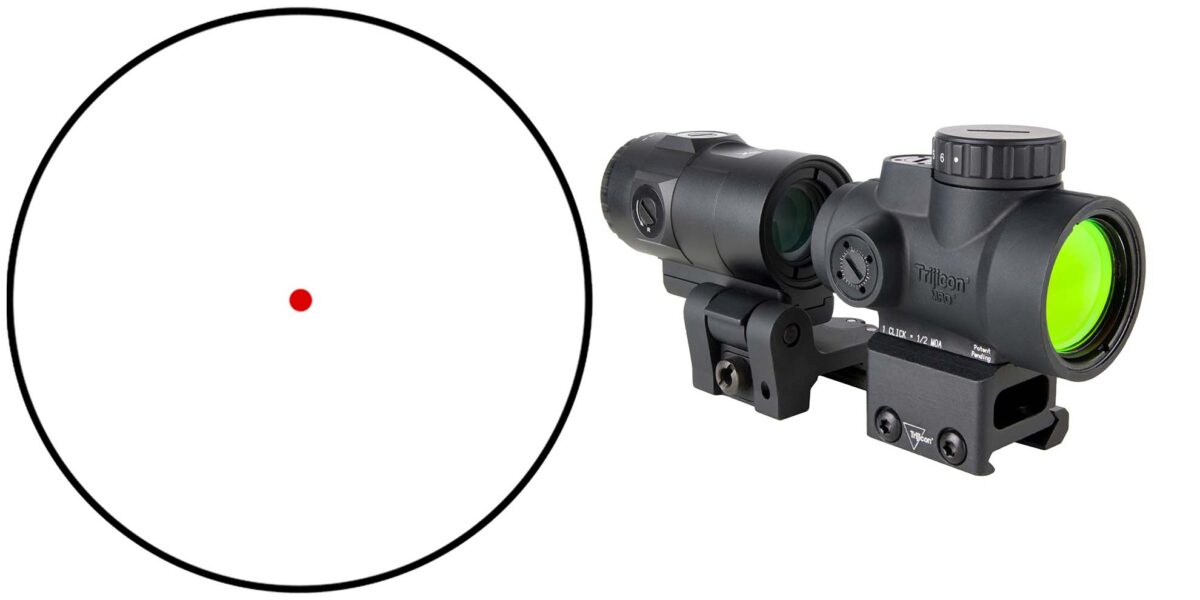
MRO-SD 2 MOA red dot bundled with a 3x magnifier.
A magnified scope uses an optical system to make a viewed scene appear larger. Scopes come in fixed- and variable-magnification designs and have different objective lens sizes, reticles, adjustment systems, and mounting requirements.
Higher magnification is not automatically better; the appropriate range depends on the activity, conditions, compatibility, and user preference. Consider magnification range, reticle design, eye relief, weight, dimensions, adjustment controls, and warranty support.
A few of the riflescopes currently available. Click any model for full specifications and pricing.
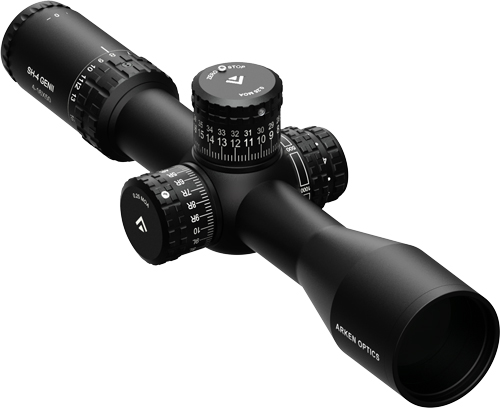
Variable 4-16×50 scope, 34mm tube, illuminated precision MOA reticle.
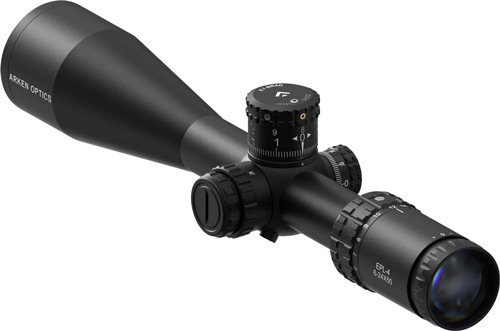
Variable 6-24×50 scope, 30mm tube, illuminated hunter MOA reticle.
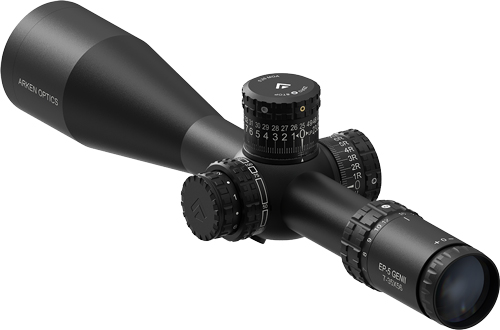
Variable 7-35×56 precision scope, 34mm tube, illuminated MRAD reticle.
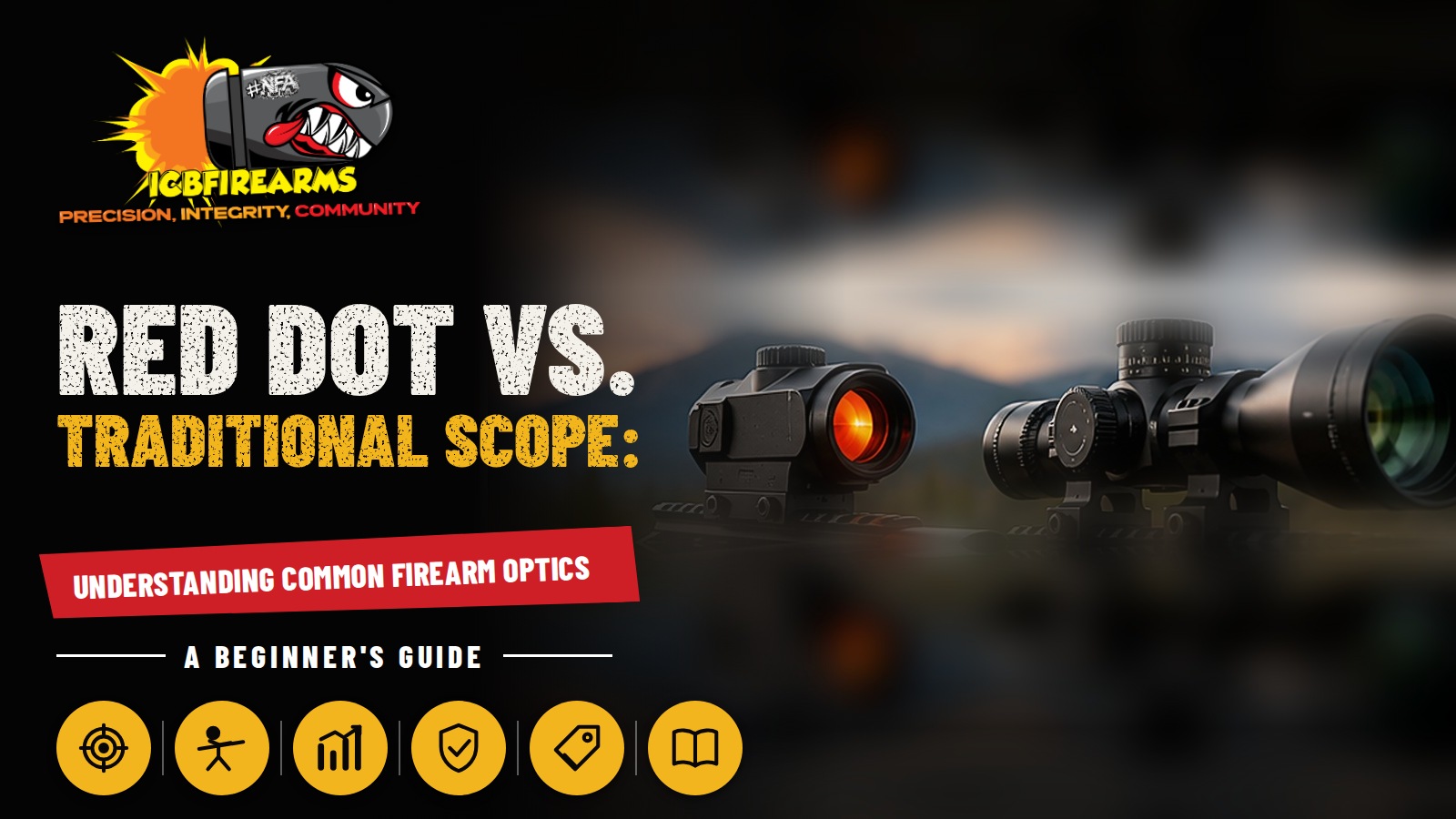
A red dot is generally non-magnifying, while a traditional magnified scope enlarges the view. That basic difference influences size, weight, viewing experience, and the situations in which a particular optic may be suitable.
Neither category is inherently better for every firearm or user. Compare the optic's specifications with the firearm's intended use and the manufacturer's recommendations.
Before purchasing an optic, verify that it is designed to work with the specific firearm and mounting system. A sight that appears to fit may require a particular plate, rail, mount, or manufacturer-approved component.
Confirm the exact firearm model and optic interface, check mounting requirements, follow both manufacturers' instructions, and use a qualified professional if installation is unfamiliar or requires specialized tools. Review warranty conditions too.
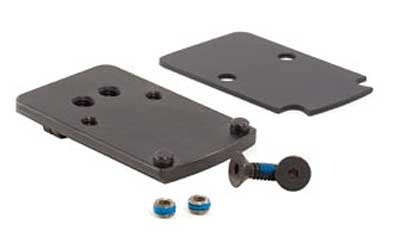
Mounting hardware currently available. Always confirm the exact firearm and optic footprint before ordering.
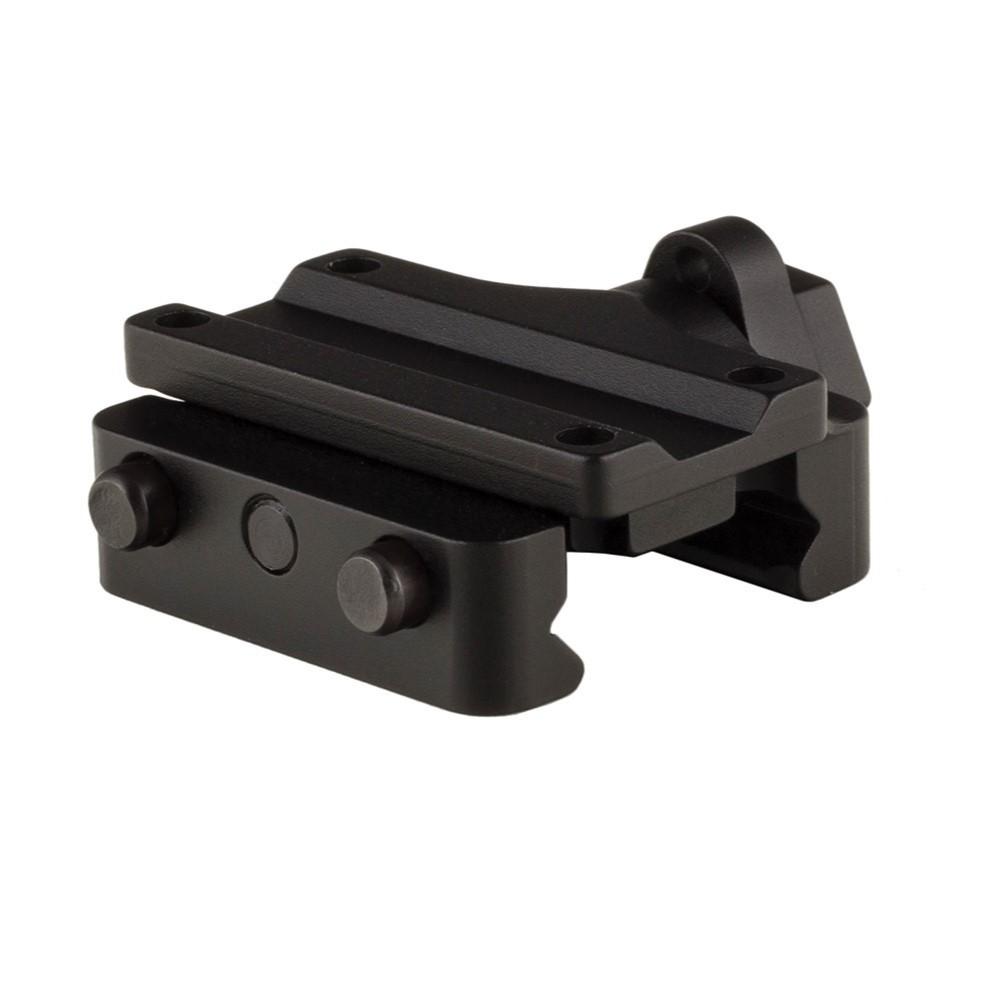
Low mount for the MRO with Trijicon Q-LOC quick-release.
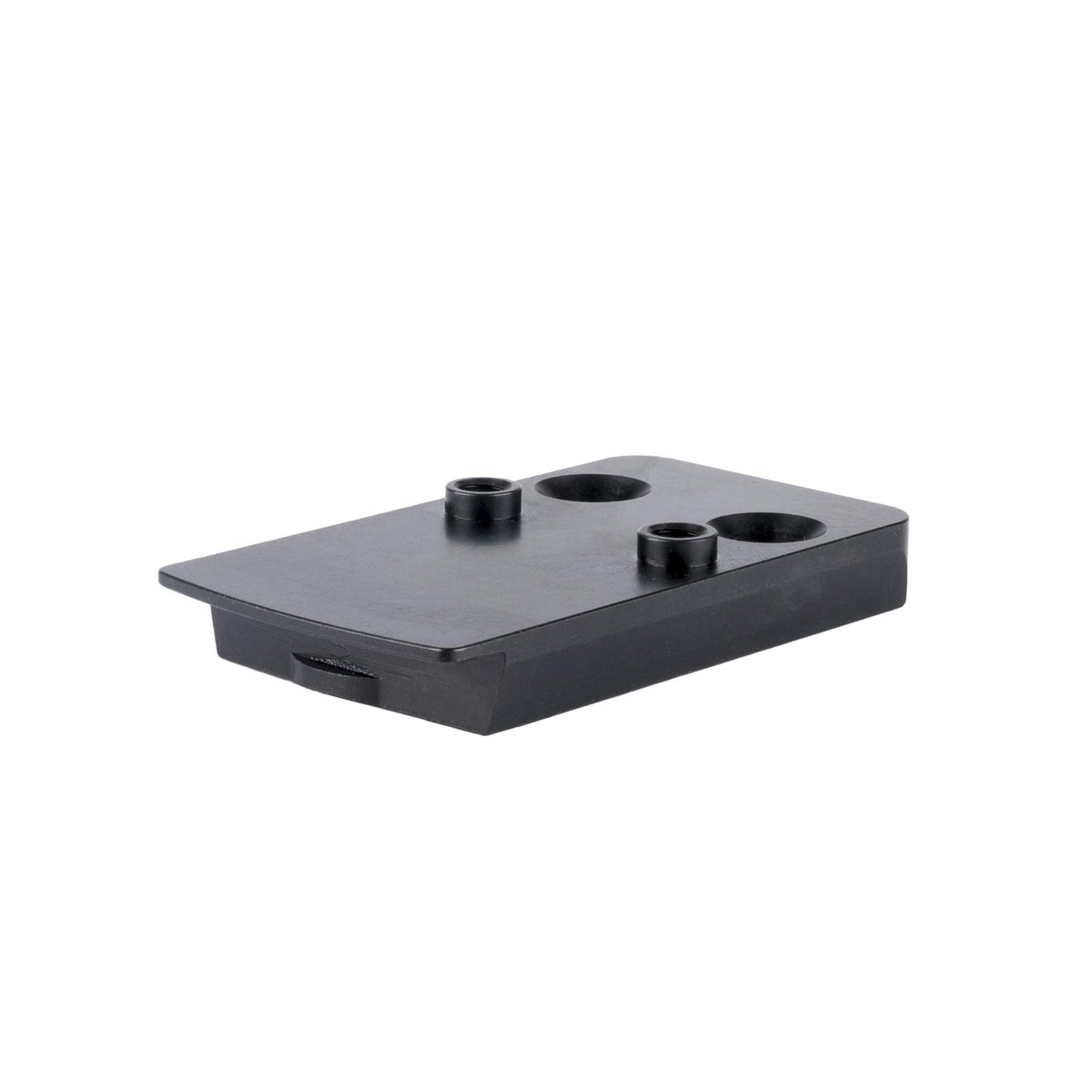
RMRcc mount plate for the SIG Sauer P365 Gen II.
The total cost may include mounts, compatible accessories, batteries, installation, and future maintenance. Consider warranty coverage, service support, environmental ratings, and replacement-part availability.
Keep lenses clean using methods and materials approved by the manufacturer. Avoid abrasive cloths, harsh chemicals, or improvised tools that may damage lens coatings. Follow the manual for battery care, storage, and inspection.
No. A typical red dot is non-magnifying and presents an illuminated aiming reference; a magnified scope enlarges the viewed scene.
Not necessarily. The useful range depends on the intended activity, conditions, firearm compatibility, and user needs.
No. Mounting interfaces vary, so check exact specifications.
Many electronic red dot sights use batteries, but power systems vary by model.
Follow manufacturer instructions and consider your experience. Seek qualified help if installation is unfamiliar.
Understanding the difference between red dot sights and magnified scopes starts with their basic optical functions. Compare compatibility, dimensions, reticle, durability, maintenance, and the requirements of your intended activity.
Careful research and manufacturer guidance can help you choose equipment that fits your needs without assuming one type is best for everyone.
Visit ICB Firearms or contact the team with questions about available products and general product information.
SHOP OPTICS AT ICB FIREARMSEducational disclaimer: This article provides general educational information and is not a substitute for hands-on training, manufacturer instructions, or legal advice. Firearm features and requirements vary. Always follow current applicable laws, safe-handling practices, and the manufacturer's documentation.


Added to cart
Check out our shop to see what's available
Loading coupons...