- Fast Shipping
- FFL Transfers
- No CC Fees
- 4.9 Google Rating
- (313)779-3877
- St. Clair Shores, Mi
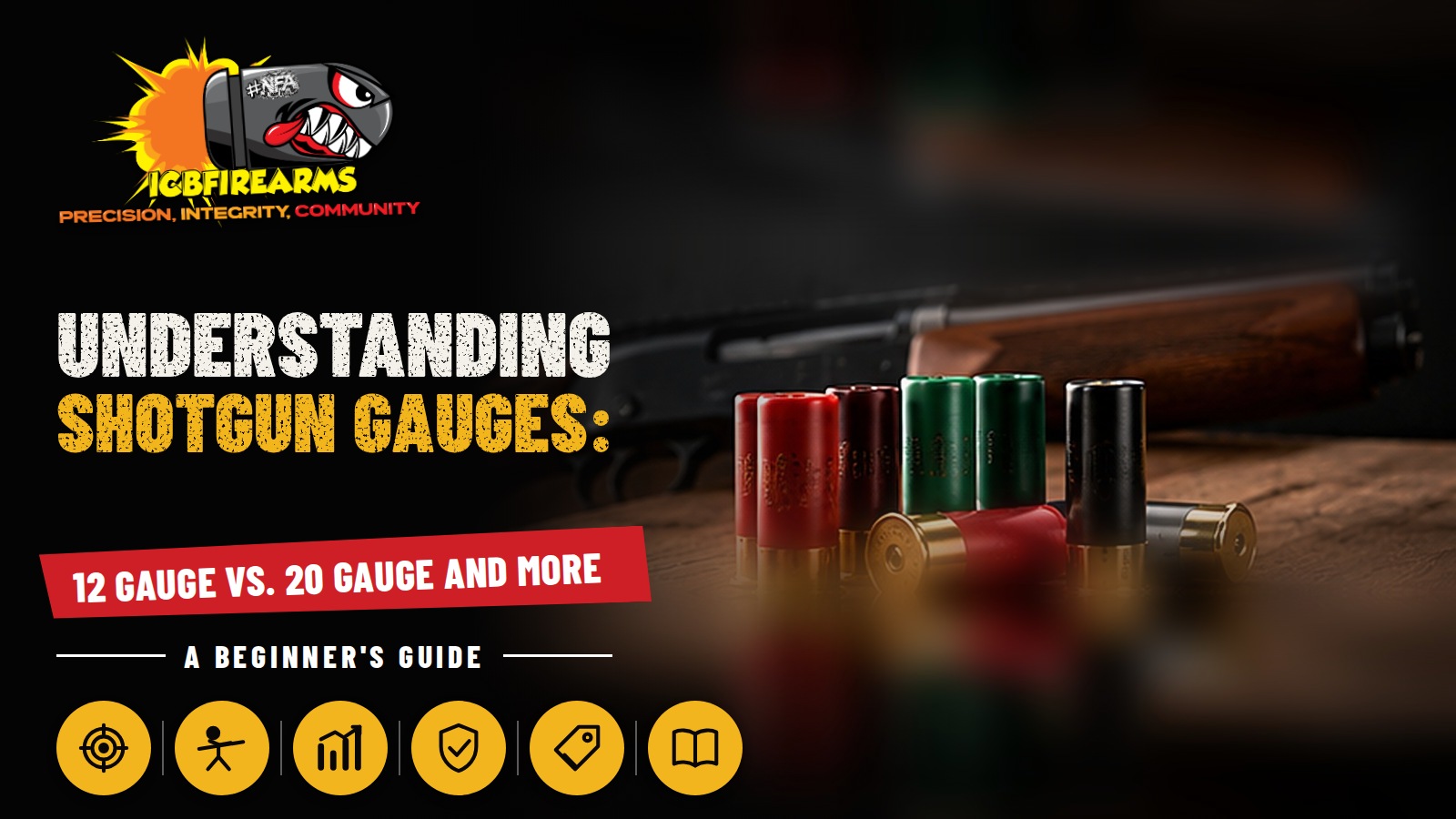
When researching shotguns, one of the first specifications you may encounter is gauge. You may see 12 gauge and 20 gauge mentioned frequently, along with 16 gauge, 28 gauge, and .410 bore. Understanding these designations can help you compare models more confidently.
Gauge is only one part of the decision. The shotgun's fit, weight, chamber specification, intended activity, and approved ammunition are also important.
For most common shotguns, gauge is a traditional designation related to bore diameter. It does not work like a simple measurement where a larger number means a larger bore. In fact, a 12-gauge shotgun has a larger bore than a 20-gauge shotgun.
The .410 is commonly called a gauge, but it is identified by bore diameter in inches and is more accurately described as .410 bore.
The 12 gauge is widely used and has a broad selection of models and ammunition types. It appears in a variety of lawful sporting and hunting contexts. Individual models differ in weight, stock fit, barrel length, and perceived recoil.
The 20 gauge is another common option, available in a range of sporting and hunting designs. Some models may be lighter or smaller than comparable 12-gauge models, but this is not guaranteed. Actual weight, fit, ammunition, and firearm design all influence how a shotgun feels.
Neither gauge is automatically better for every person. Comparing specific models and understanding their intended use is more helpful than choosing by gauge alone.
A few of the 12 gauge shotguns currently available. Click any model for full specifications and pricing.

Semi-automatic 12 gauge, 28-inch barrel, black synthetic stock.
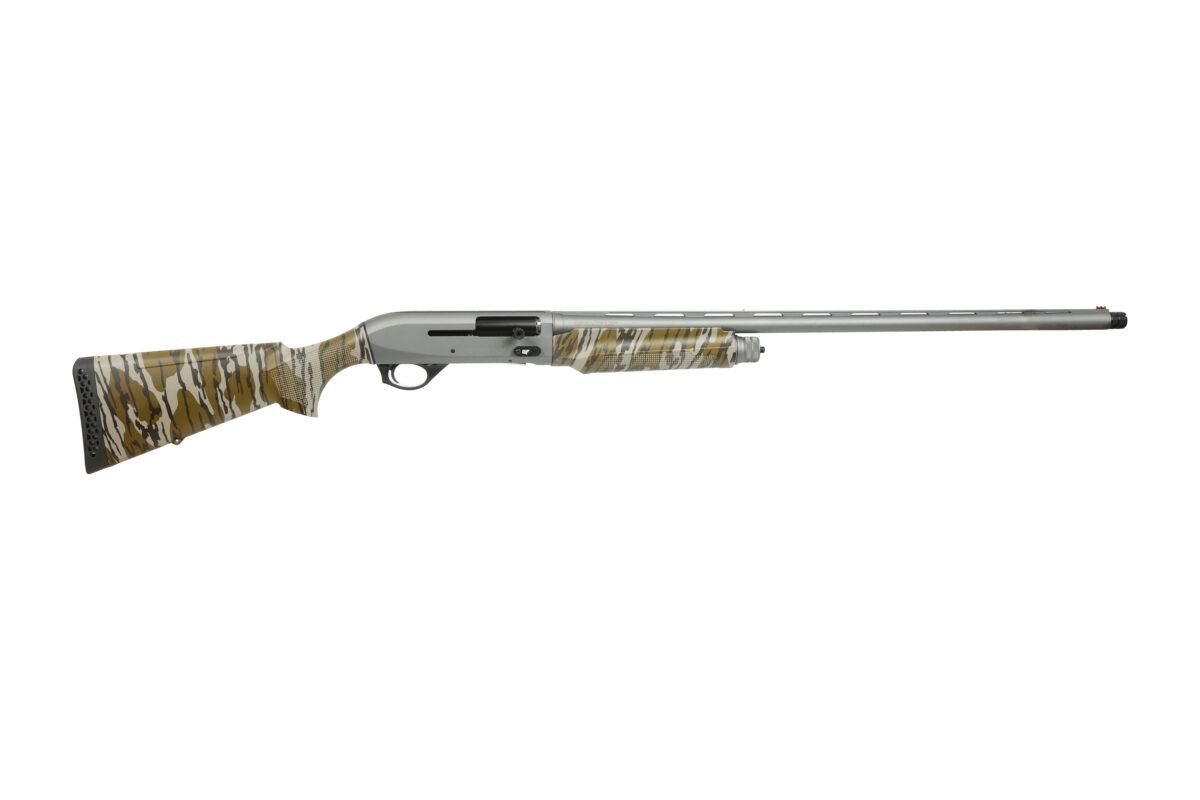
12 gauge, 28-inch barrel, gray receiver with Mossy Oak Bottomland stock.
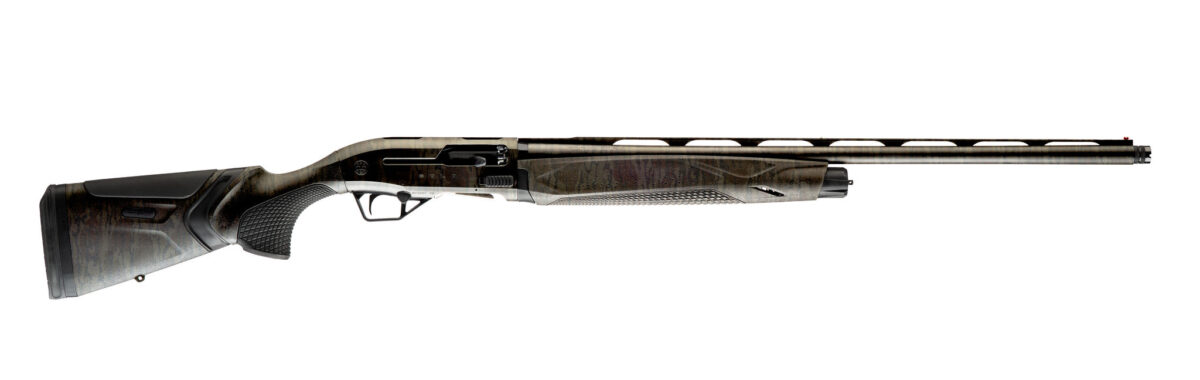
Semi-automatic 12 gauge from Beretta’s A400 line.
A few of the 20 gauge shotguns currently available. Click any model for full specifications and pricing.
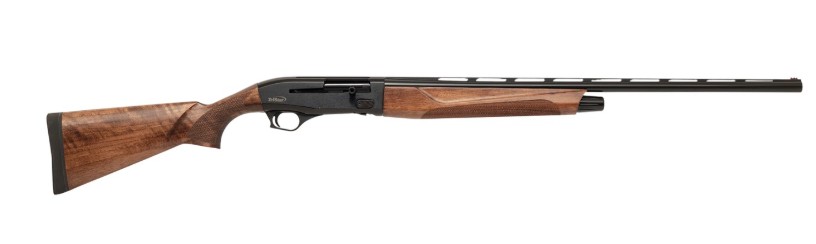
Semi-automatic 20 gauge, 26-inch barrel, 3-inch chamber, blued with walnut stock, 5-round.

Youth-sized 20 gauge, 24-inch barrel, 3-inch chamber, includes two stocks.
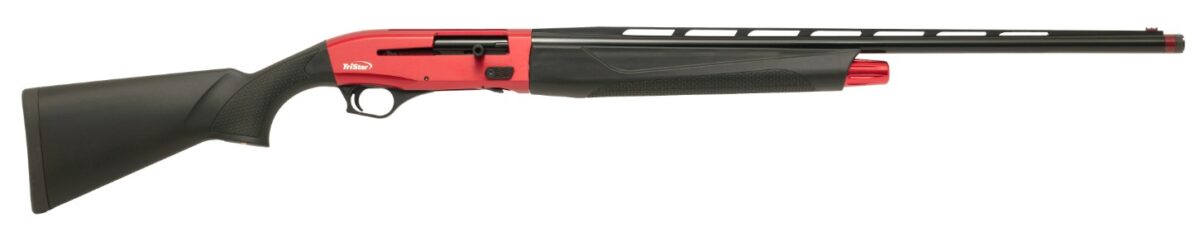
Compact sporting 20 gauge, 26-inch barrel, fiber-optic sight, red and black synthetic, 5-round.
A few of the .410 bore shotguns currently available. Click any model for full specifications and pricing.
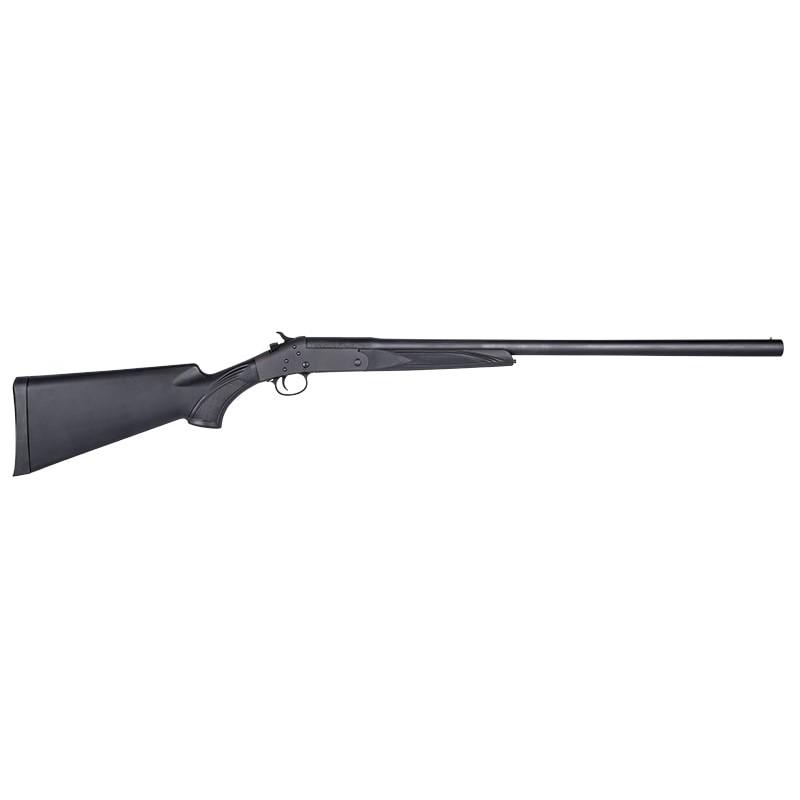
Single-shot .410 bore, 3-inch chamber, 22-inch barrel, black synthetic stock.
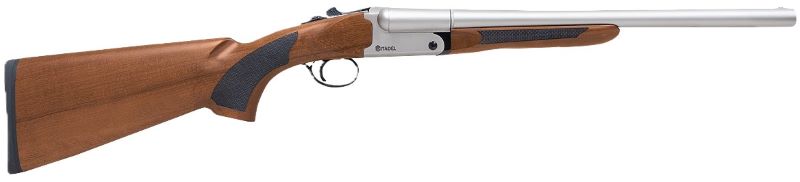
Side-by-side .410 bore coach gun, 18.5-inch barrels, nickel and black finish.
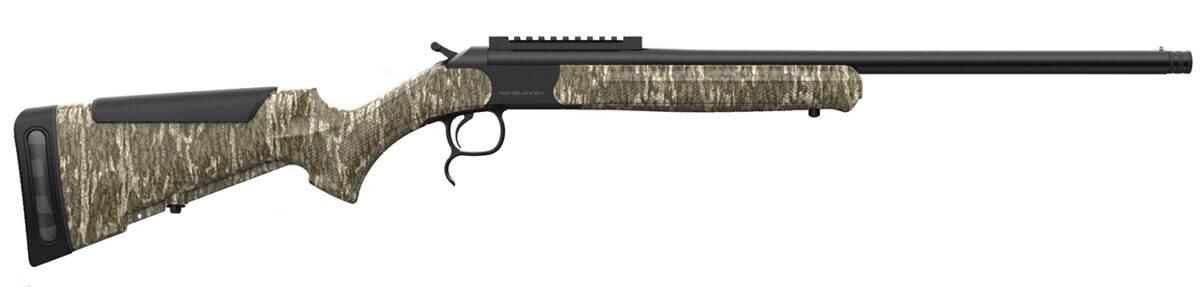
.410 bore, 24-inch barrel, 3-inch chamber, Mossy Oak Bottomland finish.
Gauge alone does not determine recoil. Firearm weight, the ammunition's specific load, stock fit, and other design characteristics all contribute to how recoil is perceived. Two shotguns of the same gauge may feel different to different users.
If recoil is a concern, consult a qualified instructor or firearms professional and compare manufacturer specifications. Never choose ammunition or alter a firearm based on assumptions about recoil.
Gauge is not the only ammunition specification. Shotguns may have different chamber lengths and manufacturer-defined ammunition requirements. The ammunition must match the exact firearm markings and owner's manual.
Yes. A 12-gauge shotgun has a larger bore diameter than a 20-gauge shotgun.
No. Weight depends on the specific firearm's design and materials.
No. You must also follow the chamber specifications and manufacturer instructions.
It is commonly called .410 gauge in casual conversation, but .410 bore is the more accurate designation.
Understanding shotgun gauge is a useful starting point, but it is not the only factor to consider. Compare the firearm's fit, weight, intended use, chamber specifications, and approved ammunition before making a decision.
Always follow the owner's manual, seek qualified instruction, and confirm that every cartridge is correct for the firearm.
Visit ICB Firearms or contact the team with questions about available products and general product information.
SHOP SHOTGUNS AT ICB FIREARMSEducational disclaimer: This article provides general educational information and is not a substitute for hands-on training, manufacturer instructions, or legal advice. Firearm features and requirements vary. Always follow current applicable laws, safe-handling practices, and the manufacturer's documentation.


Added to cart
Check out our shop to see what's available
Loading coupons...