- Fast Shipping
- FFL Transfers
- No CC Fees
- 4.9 Google Rating
- (313)779-3877
- St. Clair Shores, Mi
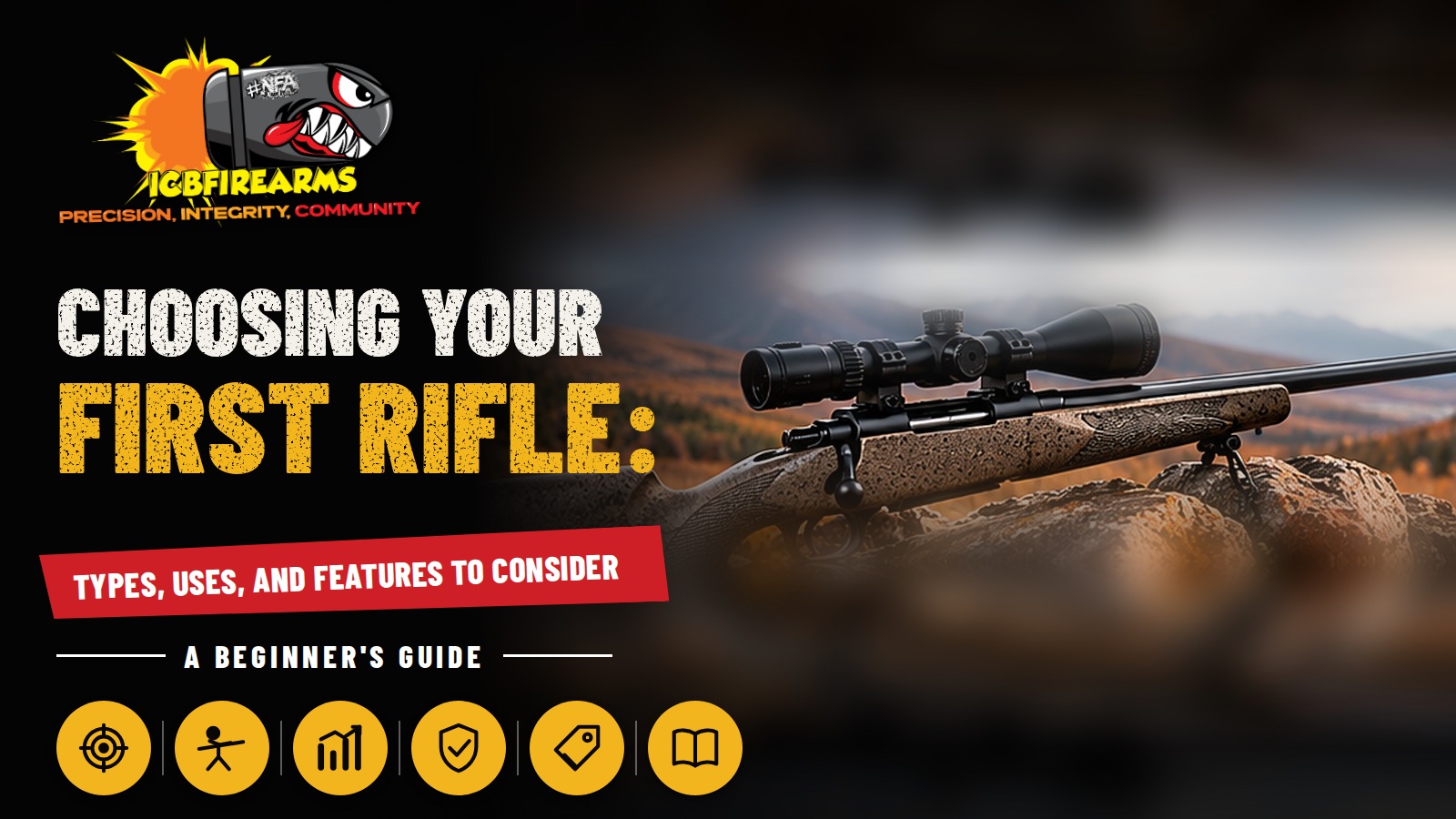
Choosing a first rifle can feel overwhelming. There are different action types, sizes, chamberings, sighting systems, and intended uses to consider. Rather than focusing on one feature, it helps to understand how these choices affect the overall experience and what questions to ask before making a decision.
This guide introduces common rifle designs and practical considerations for comparing them. It is educational information, not a substitute for qualified instruction, manufacturer guidance, or checking the laws that apply to your situation.
Before comparing models, identify the lawful purpose for which you are researching a rifle. Sporting use, target shooting, hunting, and collecting can involve different priorities. Your intended use influences the size, weight, sighting equipment, and other features worth comparing.
Consider how the rifle will be transported and securely stored. Budget for training, storage, maintenance, and necessary accessories, not just the purchase price. If hunting is the goal, consult current state wildlife regulations for permitted equipment, seasons, and restrictions.
A rifle's action is the mechanism that loads, fires, extracts, and prepares cartridges. Different designs handle this process differently, and exact features vary by model.
Bolt-action rifles use a manually operated bolt to cycle the action. They are common in hunting and target-shooting contexts and are available in many configurations. Compare overall fit, weight, trigger characteristics, sights or optics, and the manufacturer's maintenance instructions.
A few of the bolt-action rifles currently available. Click any model for full specifications and pricing.
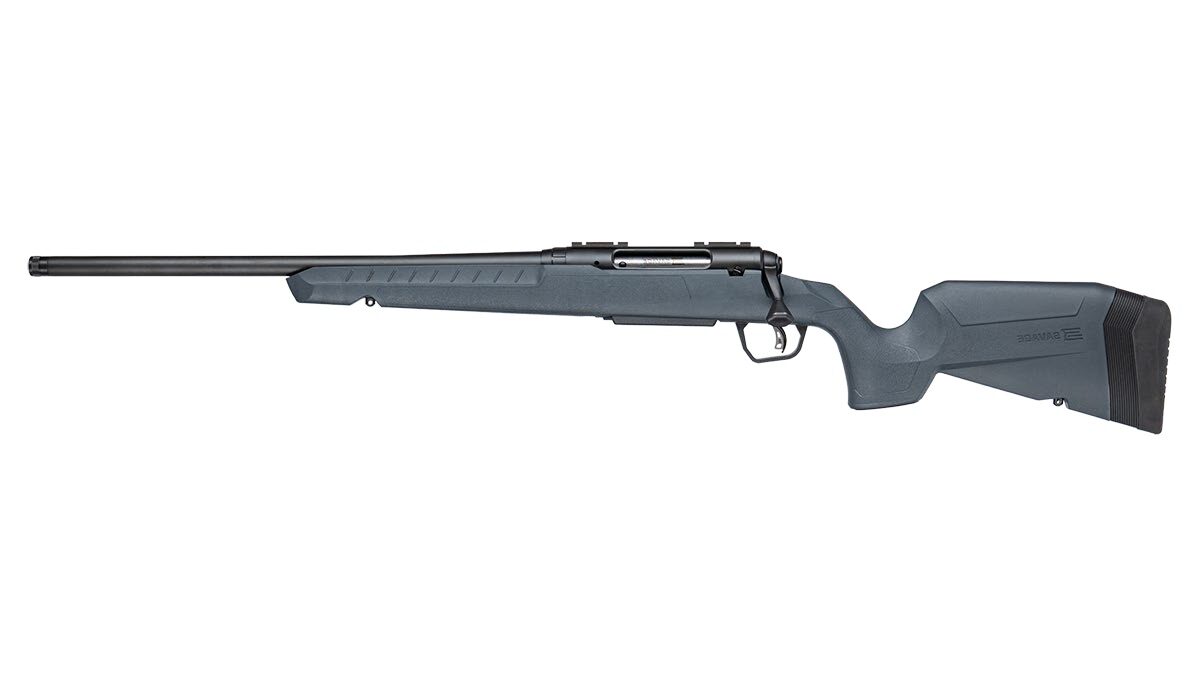
Bolt-action hunting rifle. .400 Legend, 20-inch threaded barrel, left-hand action, black synthetic stock with gray accents.

Bolt-action hunting rifle. 6.5 PRC, 22-inch barrel, bronze finish with Woodland camo stock.
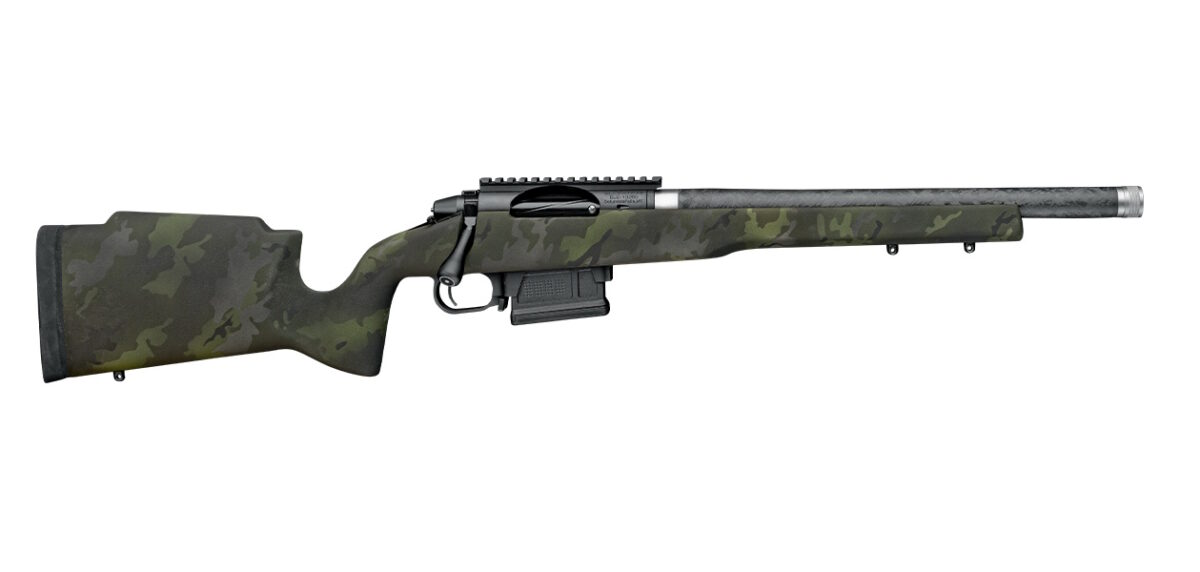
Lightweight bolt-action with a carbon-fiber barrel. .308 Win, 16-inch barrel, Midnight finish.
Lever-action rifles use a lever mechanism to cycle the action. They are associated with traditional sporting designs and come in different chamberings and configurations. Learn the specific model's controls, loading procedure, and safety features from its manual.
A few of the lever-action rifles currently available. Click any model for full specifications and pricing.
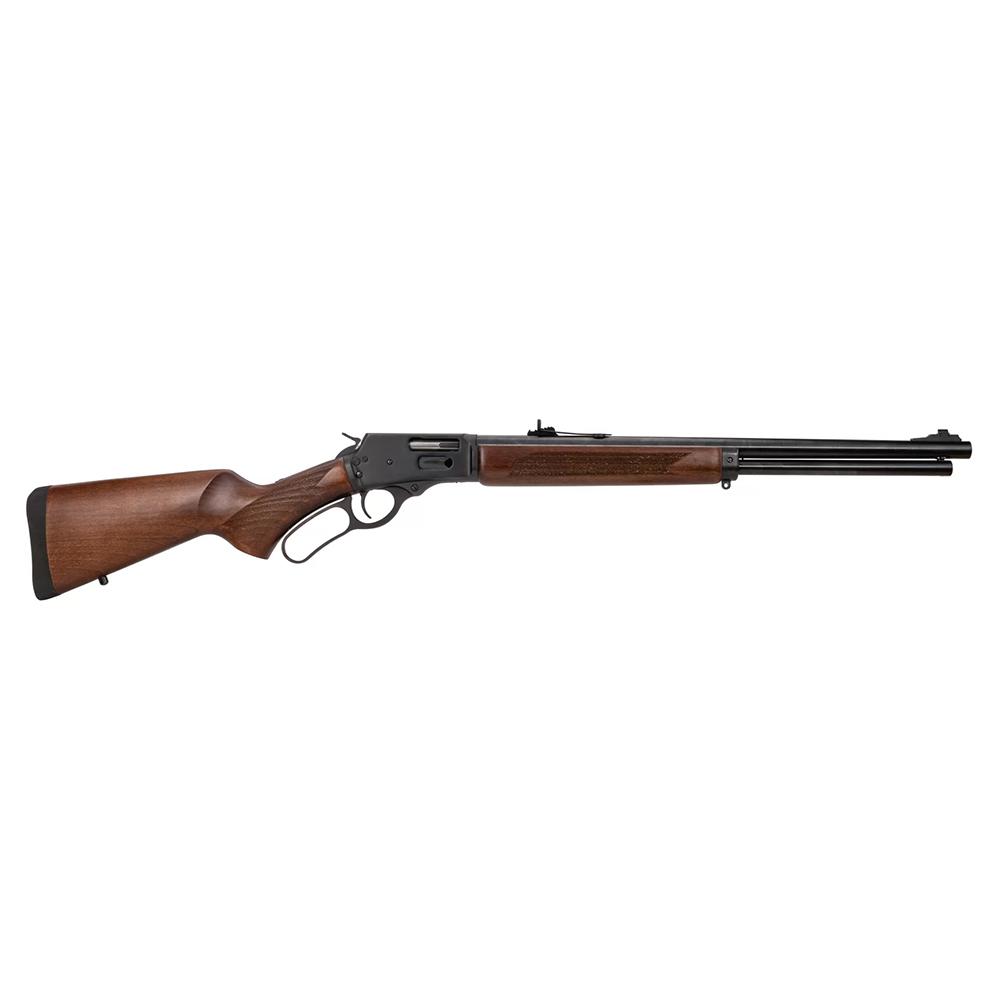
Lever-action rifle. .454 Casull, 9-round capacity, 20-inch barrel, black receiver with walnut stock.
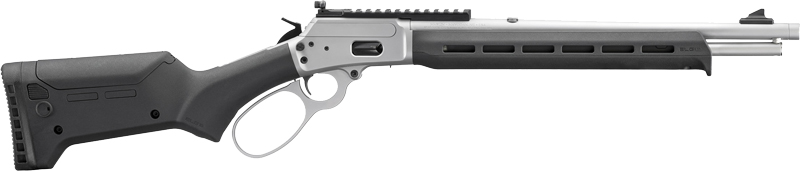
Compact lever-action. .44 Magnum, 16-inch stainless barrel, Magpul ELG stock.
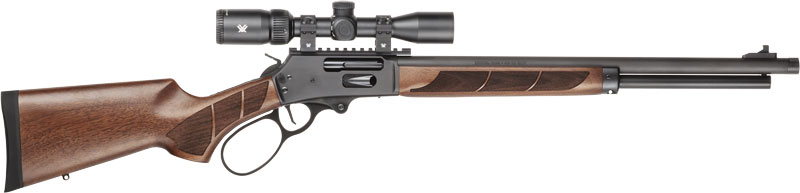
Large-loop lever-action. .45-70 Government, 20-inch blued barrel, walnut stock, comes scoped.
Semi-automatic rifles use the firearm's operating mechanism to cycle after a shot, preparing the next cartridge while firing one shot per separate trigger pull. Designs vary widely, so compare the specific model's dimensions, controls, intended use, and applicable legal requirements.
A few of the semi-automatic rifles currently available. Click any model for full specifications and pricing.
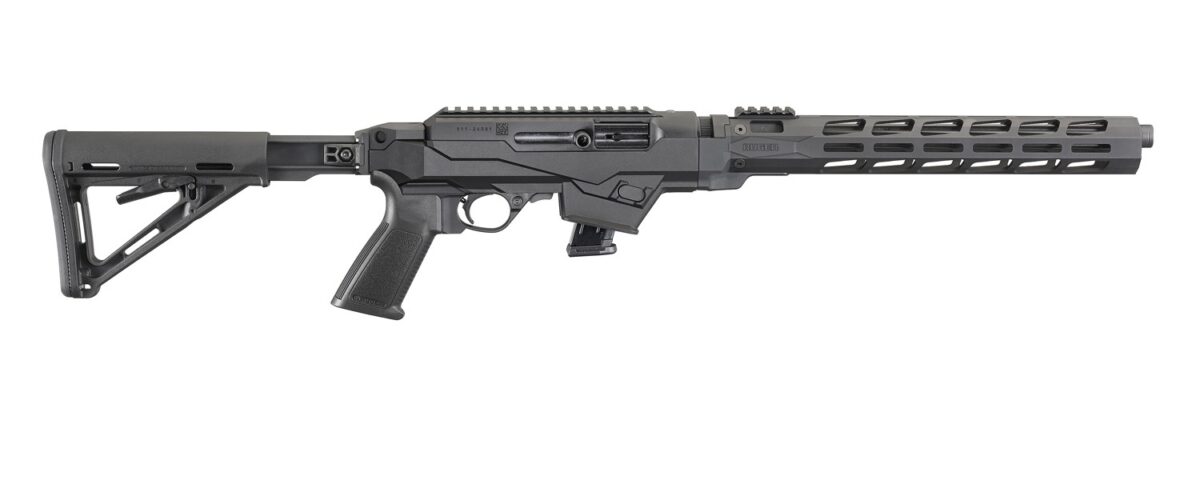
Semi-automatic pistol-caliber carbine. 9mm, 16-inch barrel, fixed stock, 10+1 capacity.
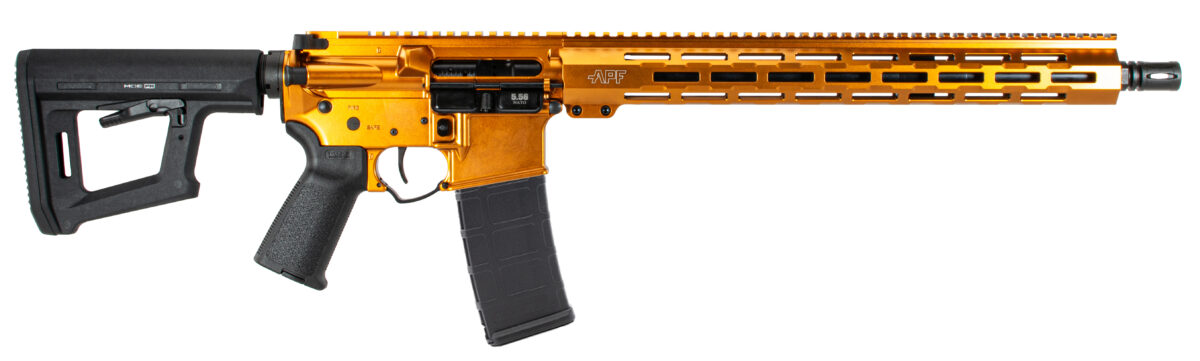
Semi-automatic AR-platform rifle. 5.56 NATO, 16-inch barrel, Copper FX finish, M-LOK handguard.
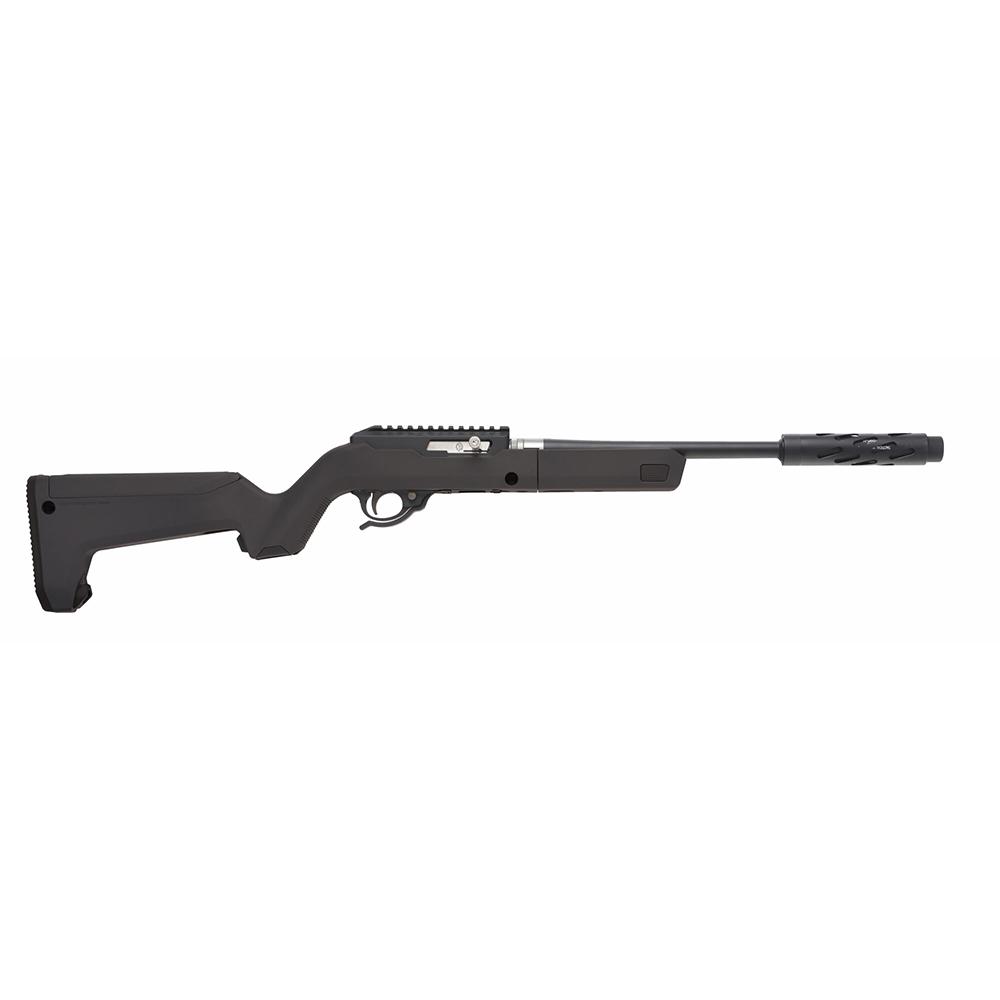
Semi-automatic takedown rimfire. .22 LR, 10-round magazine, 16.5-inch SBX barrel, synthetic stock.
A rifle should fit the person using it and the activity for which it is intended. Weight affects how the firearm feels to carry and hold; stock dimensions and grip shape affect comfort; controls differ between models.
Whenever possible, ask a qualified professional to explain a model's ergonomics in a safe, supervised setting. Consider whether the weight suits the intended activity, whether you can understand the controls safely, and whether service and manufacturer support are available.
Caliber or cartridge designation is an important specification, but it should not be selected by name alone. Firearms are designed for specific ammunition. Always match ammunition to the exact markings and instructions for the firearm, and never use ammunition simply because it appears to fit.
Consider availability, intended application, recoil characteristics, and manufacturer recommendations. If compatibility is uncertain, ask the manufacturer or a qualified firearms professional before using the firearm.
Rifles may use iron sights, red-dot sights, magnified scopes, or other systems. The appropriate option depends on the firearm, intended activity, and compatibility. Confirm mounting requirements and follow the firearm and optic manufacturers' instructions.
Review the manufacturer's maintenance recommendations and use only compatible cleaning products and procedures. Secure storage should prevent unauthorized access, particularly by children or others who should not handle the firearm.
No. The right comparison depends on intended use, fit, training, and the individual model.
No. Fit, intended use, safe operation, manufacturer specifications, maintenance, and applicable regulations also matter.
Not necessarily. Sighting equipment depends on the firearm and intended activity. Confirm compatibility before selecting accessories.
Choosing your first rifle is easier when you compare complete models against your needs instead of relying on one specification or reputation. Take time to understand the action, fit, ammunition requirements, maintenance, storage, and laws that apply.
At ICB Firearms, we encourage customers to ask questions, review manufacturer information, and make informed decisions grounded in safe, responsible ownership.
Visit ICB Firearms or contact the team with questions about available products and general product information.
SHOP RIFLES AT ICB FIREARMSEducational disclaimer: This article provides general educational information and is not a substitute for hands-on training, manufacturer instructions, or legal advice. Firearm features and requirements vary. Always follow current applicable laws, safe-handling practices, and the manufacturer's documentation.
Added to cart
Check out our shop to see what's available
Loading coupons...