
- Fast Shipping
- FFL Transfers
- No CC Fees
- 4.9 Google Rating
- (313)779-3877
- St. Clair Shores, Mi

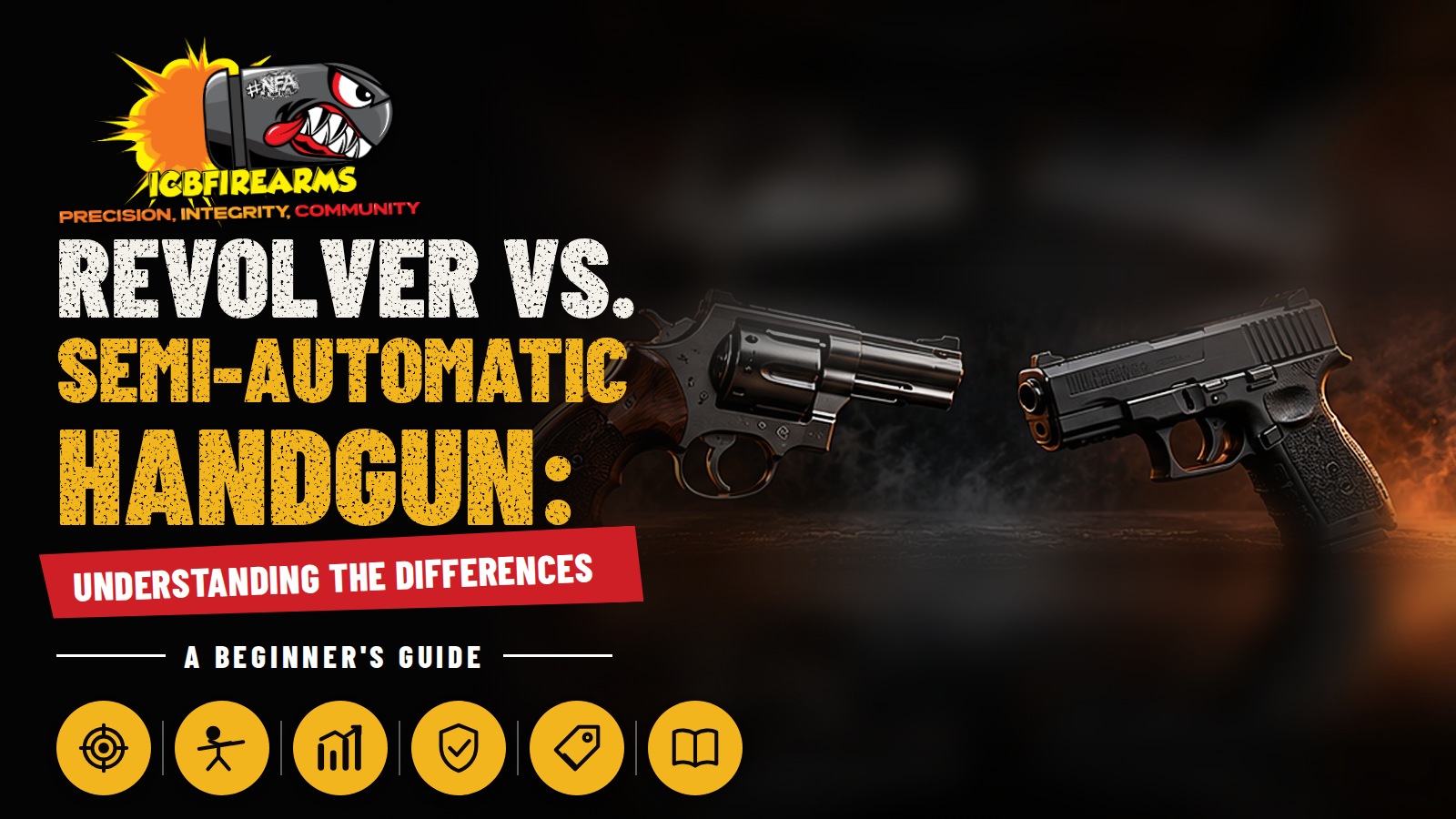
When comparing handguns, two of the most familiar designs are revolvers and semi-automatic pistols. Both have distinct mechanical designs, features, and maintenance considerations. Understanding how they differ can help you make a more informed decision when researching a firearm.
If you are new to firearms, the differences between these two designs might seem complicated at first. The good news is that understanding the basics does not require an engineering background. The main distinction comes down to how each firearm holds its cartridges and cycles between shots.
In this guide, we will explain the basic operating principles of revolvers and semi-automatic handguns, compare their common features, and discuss what to consider when evaluating either design.
A revolver is a handgun that uses a rotating cylinder containing multiple chambers. Each chamber holds a cartridge. When the firearm cycles, the cylinder rotates to align another chamber with the barrel.
Revolvers are commonly associated with their visible cylinder and traditional design. They are available in different sizes and calibers, ranging from compact models to larger sporting and target-shooting designs.
Revolvers are not all mechanically identical. Their controls, trigger characteristics, loading systems, and maintenance requirements vary by model. Always consult the manufacturer's manual for the specific firearm.
A few of the revolvers currently available. Click any model to see full specifications, photos and pricing.
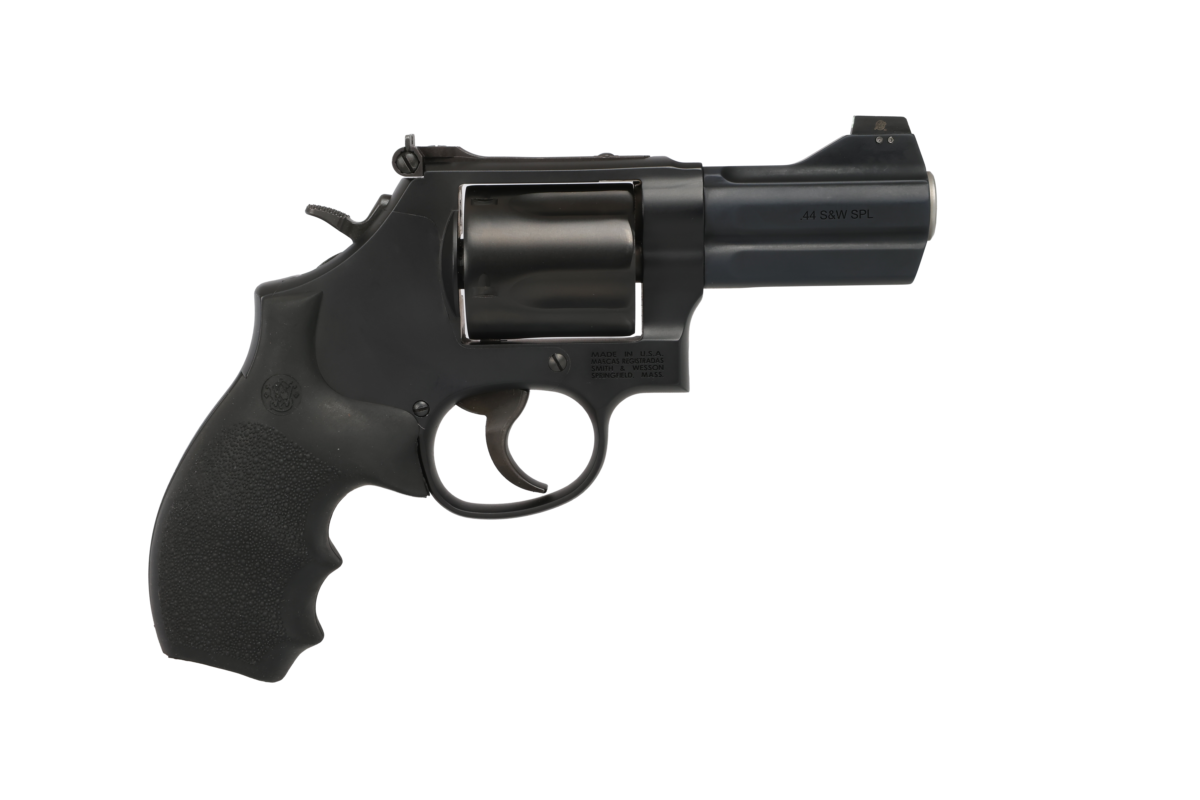
Lightweight double-action revolver. .44 Special, 5-round cylinder, 3-inch barrel.
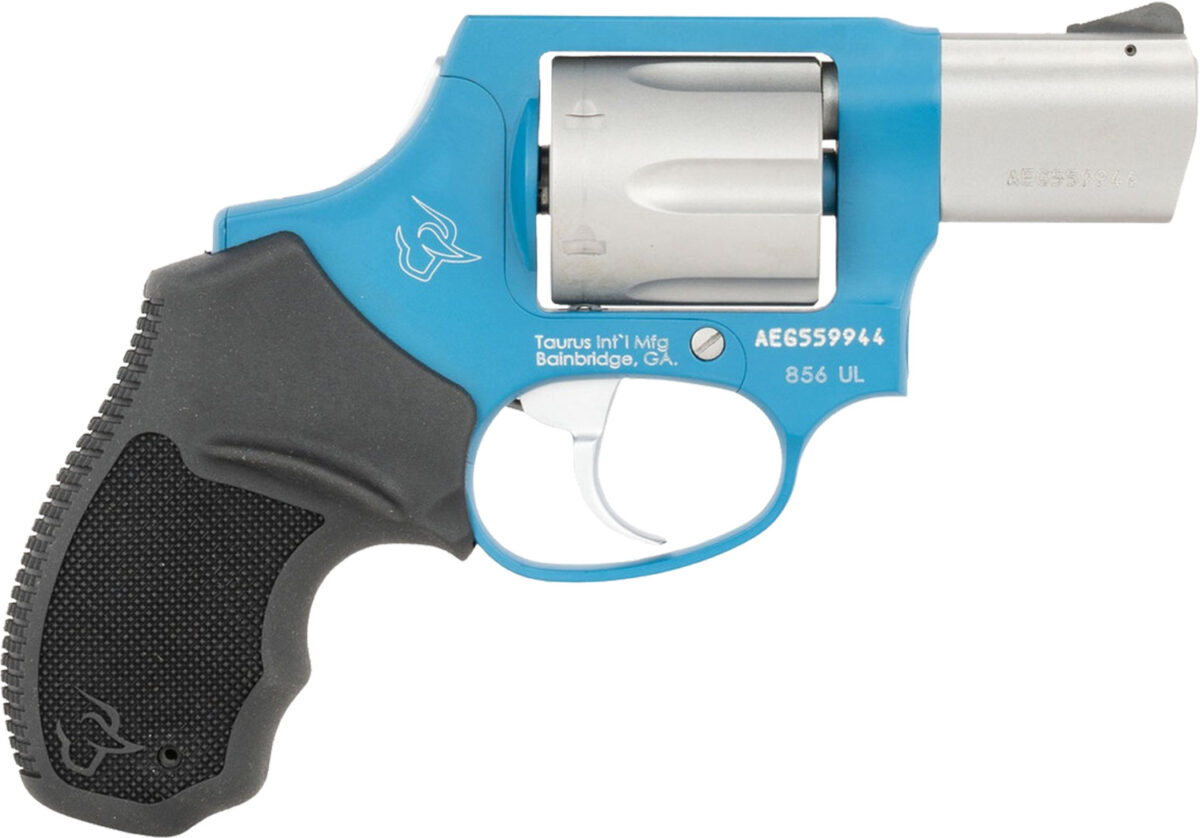
Compact double-action revolver. .38 Special, 6-round cylinder, 2-inch barrel, stainless with Sky Blue finish.
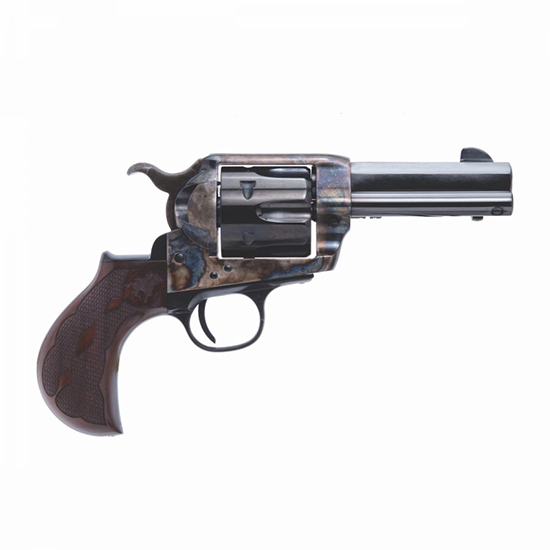
Single-action revolver in the classic style. .357 Magnum, 3.5-inch barrel, checkered grip.
A semi-automatic handgun typically uses a removable magazine to hold cartridges. When fired, the firearm's operating mechanism uses energy from the shot to cycle the action, extract and eject the spent cartridge case, and prepare another cartridge from the magazine.
Semi-automatic handguns are available in a wide range of configurations, from compact pistols to full-size models designed for target shooting, sporting use, and other lawful purposes.
The term "semi-automatic" means that one shot is fired for each separate trigger pull. It does not mean the firearm fires continuously while the trigger is held.
A few of the semi-automatic pistols currently available. Click any model to see full specifications, photos and pricing.
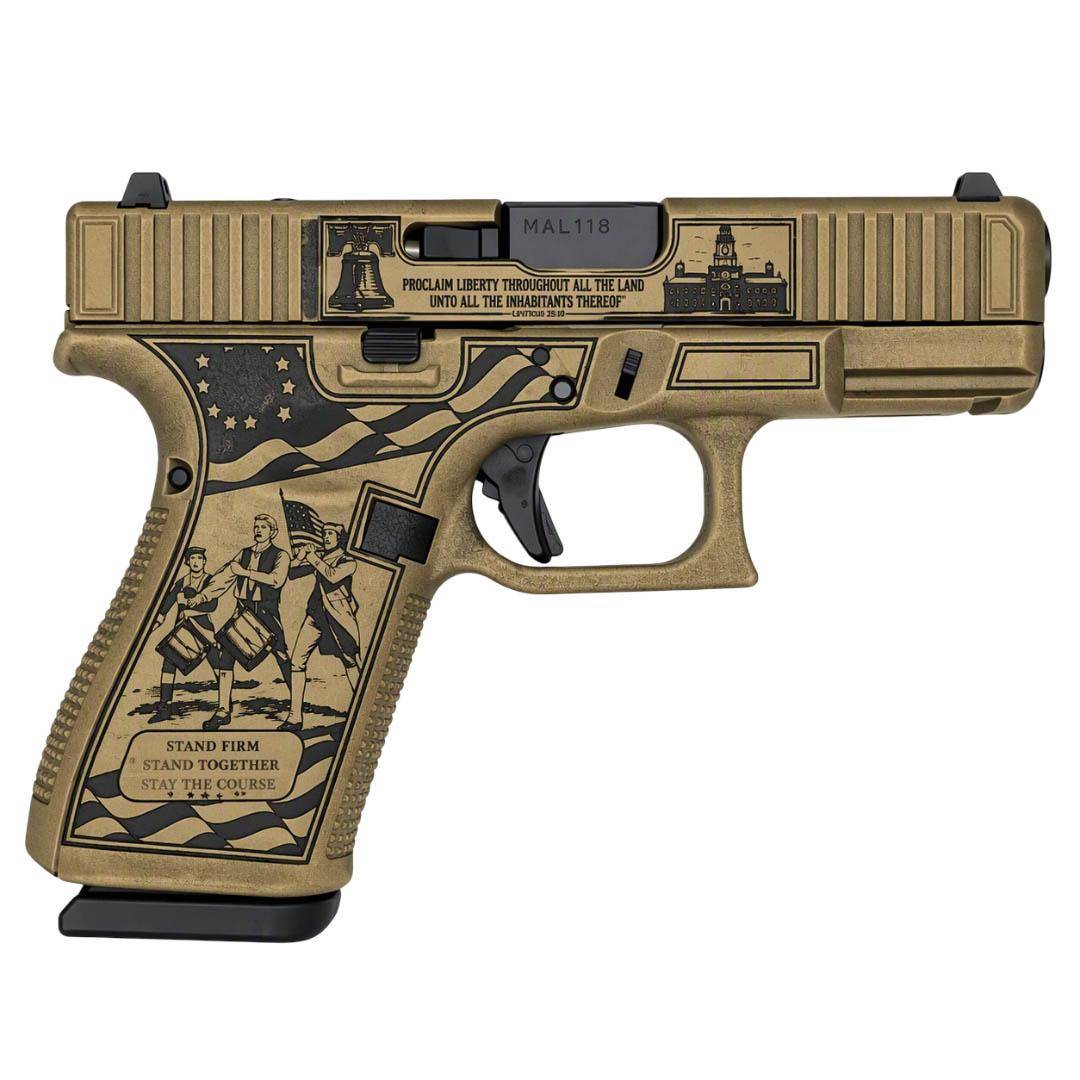
Compact striker-fired pistol. 9mm, three 15-round magazines, 4-inch barrel, optic ready.
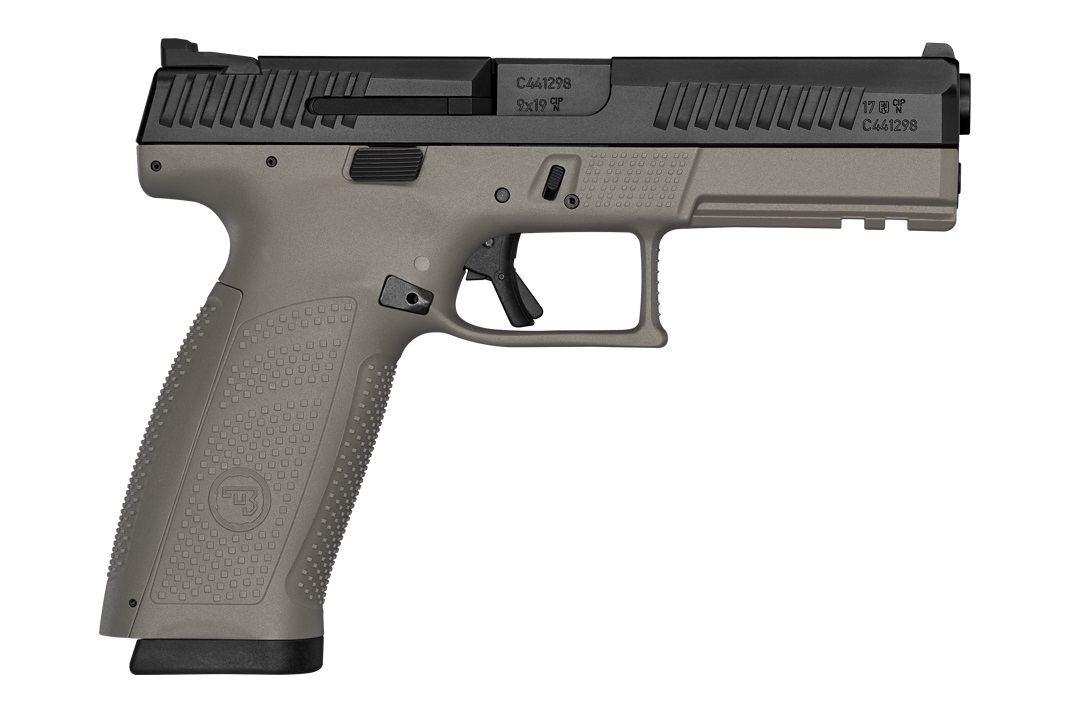
Full-size striker-fired pistol. 9mm, 19+1 capacity, night sights, black slide over FDE frame.
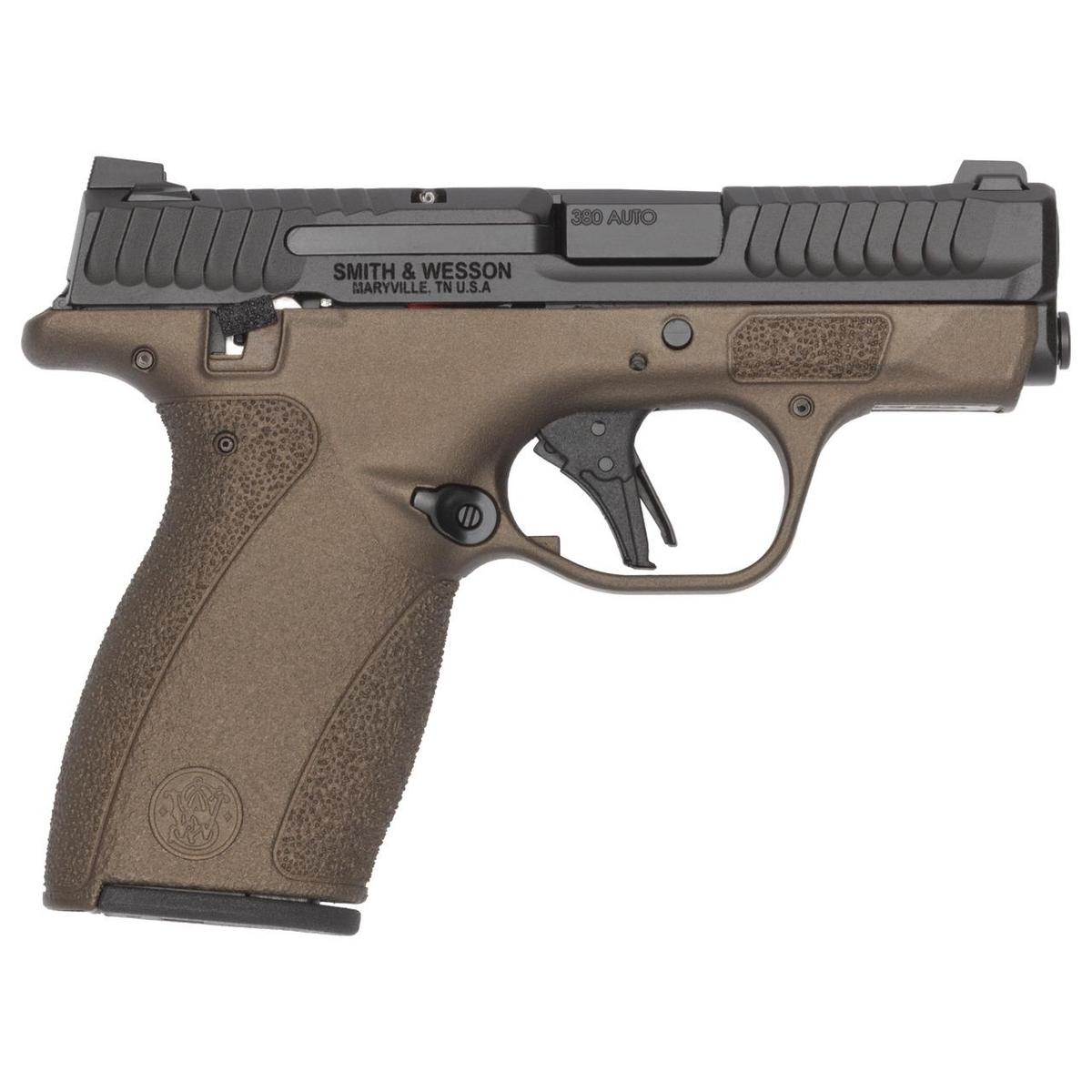
Micro-compact pistol for carry. .380 Auto, two 10-round magazines, 2.75-inch barrel, manual safety.
Neither design is universally better for every person or purpose. The following comparison highlights general differences, although individual models can vary considerably.
| Feature | Revolver | Semi-Automatic Handgun |
|---|---|---|
| Cartridge storage | Individual chambers in a rotating cylinder. | Usually a removable magazine. |
| Operating mechanism | The cylinder rotates to align the next chamber. | The action cycles to extract and eject a case and prepare the next cartridge. |
| Capacity | Depends on the number of cylinder chambers. | Depends on the magazine and firearm design, as well as applicable restrictions. |
| Reloading system | Cartridges are loaded into the cylinder using the firearm's designed loading method. | A magazine is used to hold cartridges and is inserted into the firearm. |
| Controls and trigger | May have single-action, double-action, or combination operation. | May have striker-fired, hammer-fired, or other operating configurations. |
| Maintenance | Requires attention to the cylinder, chambers, barrel, and mechanism. | Requires attention to the barrel, slide, magazine, and mechanism. |
| Handling characteristics | Depend on frame size, grip, trigger system, caliber, and other features. | Depend on frame size, grip, trigger system, caliber, and other features. |
Reliability is an important consideration, but it is not accurate to say that every revolver is more reliable than every semi-automatic handgun, or the other way around.
Reliability depends on factors such as firearm design, manufacturing quality, condition, maintenance, compatible ammunition, and proper operation. Either type can experience a malfunction or mechanical issue.
When comparing models, consider the manufacturer's documentation, maintenance requirements, available service support, and instruction from a qualified professional. Regardless of design, learn the firearm's operating procedures before use.
Both revolvers and semi-automatic handguns require appropriate care. Their different mechanical designs mean that cleaning and inspection procedures are not identical.
Revolver maintenance generally includes attention to the barrel, cylinder chambers, cylinder face, and other areas identified in the manufacturer's instructions. Residue can accumulate in different areas depending on the design and ammunition used.
Semi-automatic handgun maintenance commonly includes the barrel, slide, and other components specified by the manufacturer. Magazine care and inspection may also be part of the recommended maintenance routine.
Before cleaning or inspecting any firearm, follow the manufacturer's unloading and safety procedures, verify that it is unloaded, and keep ammunition away from the work area. Do not disassemble a firearm beyond the level described in its manual unless you have appropriate training.
Rather than choosing based only on appearance or reputation, consider how a particular firearm's features align with your needs, experience, and ability to handle it safely.
If possible, ask a qualified instructor or knowledgeable firearms professional to explain the differences between specific models. A supervised, lawful opportunity to learn about their ergonomics and controls can be more informative than comparing specifications alone.
No. A revolver uses a rotating cylinder with separate chambers, while a semi-automatic handgun typically uses a magazine and a cycling action to prepare the next cartridge after a shot.
No. Revolver capacity depends on the number of cylinder chambers. Semi-automatic handgun capacity depends on the magazine and firearm design. Capacity varies by model and may be subject to legal limits.
Not necessarily. Their maintenance procedures differ, and both designs require proper cleaning, inspection, and care. The manufacturer's instructions and the specific model are the best guides.
A standard semi-automatic handgun fires one shot per separate trigger pull. Its action cycles after firing to prepare the next cartridge.
There is no universal answer. Beginners should prioritize safe handling, appropriate instruction, comfortable ergonomics, a clear understanding of the operating system, and secure storage. A qualified instructor can help explain the differences between individual models.
Regardless of the design, every firearm must be treated with care and respect. Keep the muzzle pointed in a safe direction, keep your finger off the trigger until you are ready to fire, and identify your target and what is beyond it. Know how to verify the firearm's condition and follow its manual and all applicable safety rules.
Secure storage is also essential. Store firearms to prevent unauthorized access, particularly by children or other individuals who should not handle them. Use an appropriate locking device or secure storage system suited to your circumstances.
Understanding the differences is a good first step. The team at ICB Firearms can help you explore available models, compare specifications, and find reliable product information to support an informed decision.
VISIT ICB FIREARMSEducational disclaimer: This article provides general educational information and is not a substitute for hands-on training, manufacturer instructions, or legal advice. Firearm features and requirements vary. Always follow current applicable laws, safe-handling practices, and the manufacturer's documentation.



Added to cart
Check out our shop to see what's available
Loading coupons...